

A Note on Our Martagon Lily Collection — 2026
Each year, Parkland Peonies typically offers a wide selection of martagon lilies. This season, that selection will be noticeably smaller, and there is a very good reason for it.
Our martagon collection had been growing in the same location since 2016. Over time, the plants thrived — perhaps too well. As clumps expanded, the planting became increasingly crowded, and despite careful management, it became clear that individual bulbs were beginning to decline as they competed for space and nutrients. Left unaddressed, the collection would have continued to weaken year by year.
Moving the entire martagon collection was a monumental decision, but ultimately a necessary one. The alternative was to slowly lose plants that had taken years to establish.
Planning began well in advance. A new site was selected — more than three times the size of the original planting — and the soil was worked repeatedly throughout the summer. Anyone who farms knows that freshly worked ground invites weeds with impressive enthusiasm, a phenomenon I’ll never fully understand, but one that demands patience and preparation.
In early fall, the digging began. What had once been single bulbs had, in many cases, become clumps of fifteen to twenty. The work was methodical and demanding: digging, sorting, labeling, packing, and storing. After ten solid days, the task was complete — 42 large bulb crates filled with martagon lilies. I can only estimate how many thousands of bulbs were lifted, but at that moment it struck me that this may well be the largest martagon collection in Canada.
Planting, however, had to wait. Peony digging season was underway, and customer orders came first. The martagons were stored carefully in slightly moist peat moss, which allowed basal plates and feeder roots to continue developing — giving the bulbs a strong head start before winter.
By mid-October, with peony orders complete, planting could finally begin. The original martagon garden occupied two 500-foot rows; the new site consists of eight 400-foot rows — just over three times the original space. With careful labeling and documentation essential, I handled the work myself. When accuracy matters, responsibility is best kept close.
I was fortunate to have help for one long Saturday from friends Dan and Faye — help that I greatly appreciate. By Sunday, both reported they could no longer walk, which probably says more about the work than I ever could. After six full days of planting, the new martagon bed was complete. Four remaining crates of mixed bulbs were shared with gardening friends.
One final note worth mentioning: the condition of the bulbs at planting was excellent. Stored correctly, with roots already forming, they went into the ground well prepared for winter. I’m very much looking forward to seeing how they perform in their first spring in this new space.
This transition explains why our martagon offering is limited this season. The collection needs time to settle, re-establish, and grow into its new home. In the long run, this move ensures stronger plants, healthier bulbs, and a better future for the collection.
Thank you for your understanding — and for valuing the long view, just as we do.
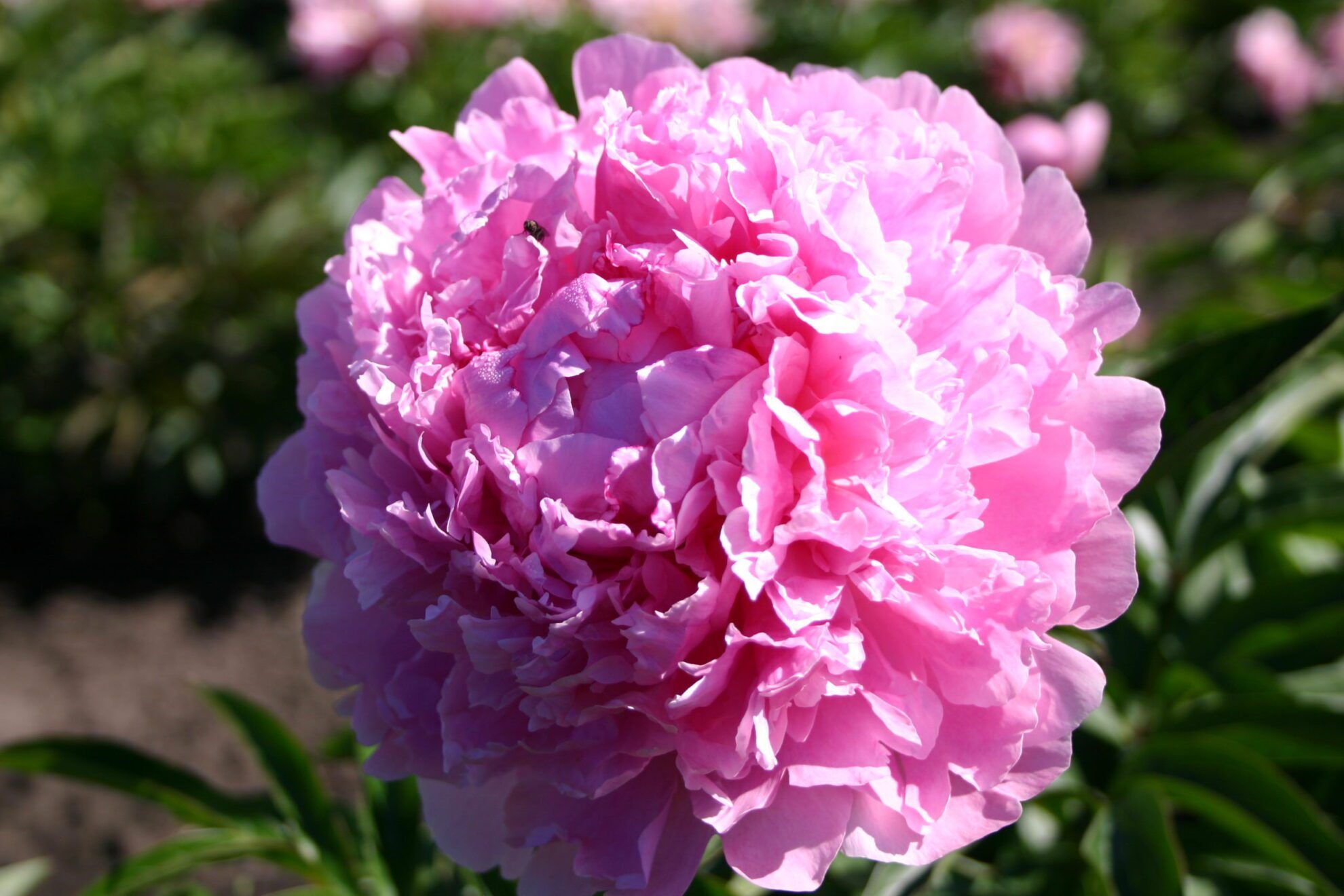
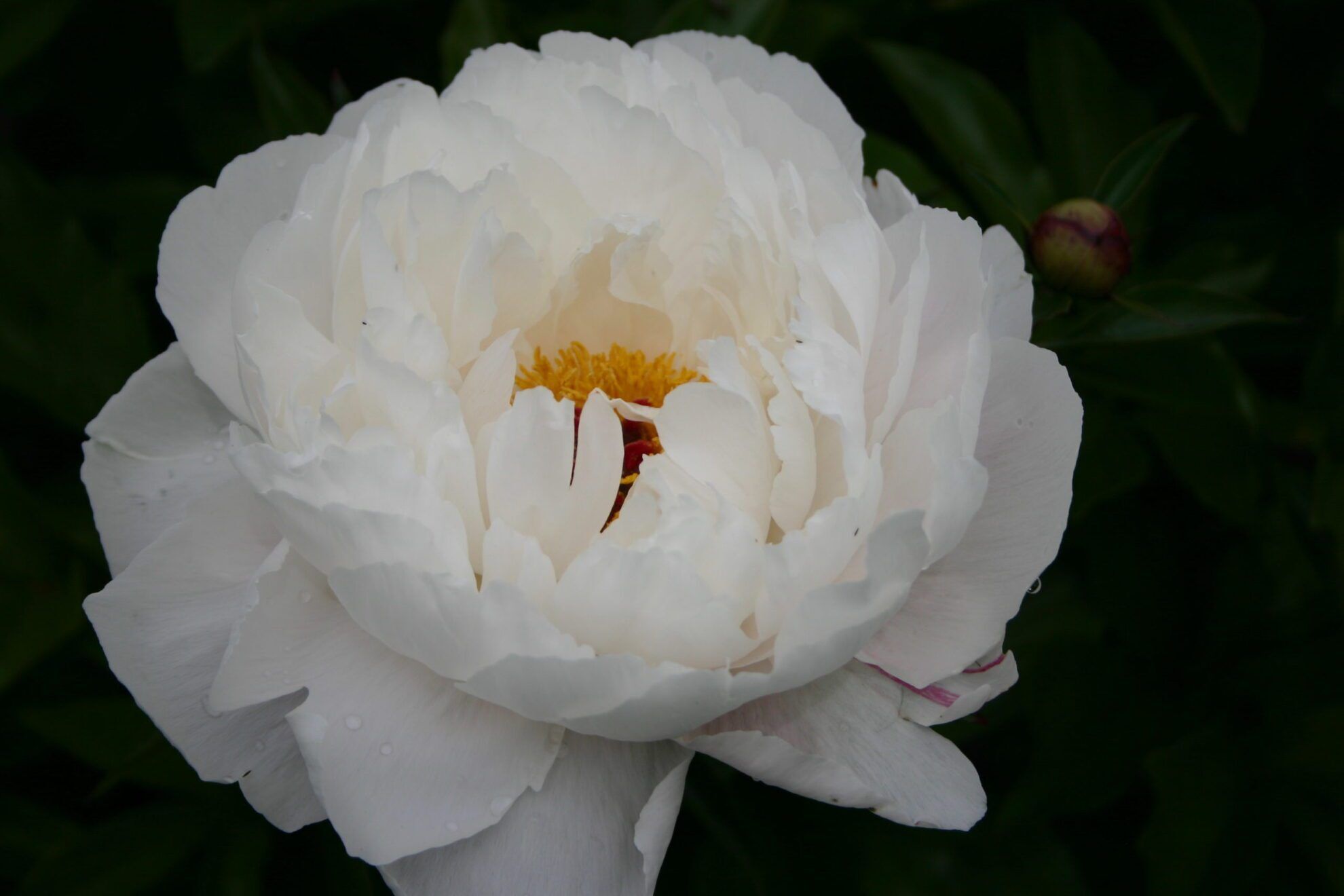
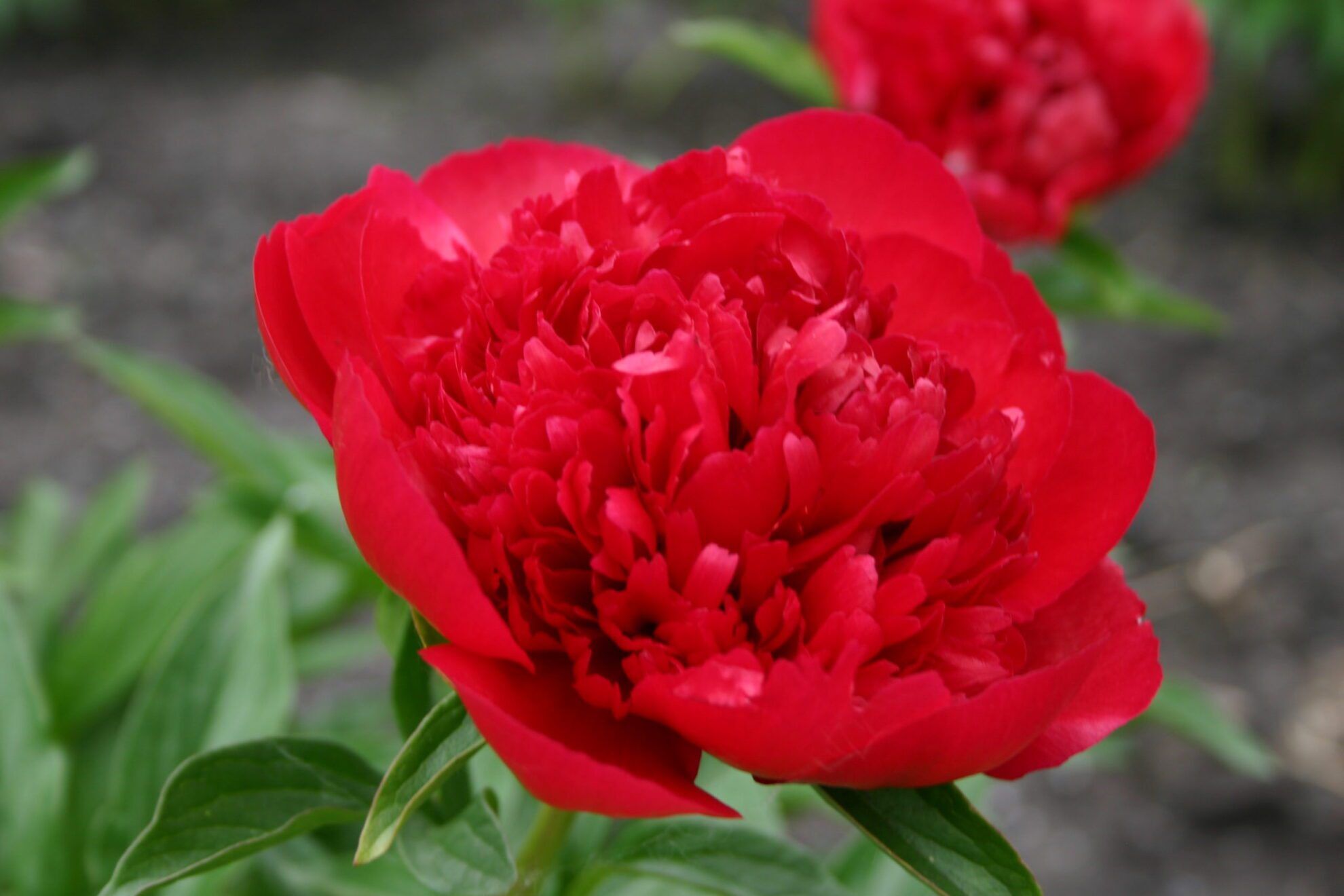
1b. Herbaceous Species
Herbaceous Species, belong in the genus Paeonia, they are plants that occur naturally in the wild, native to Asia, Europe and Western North America. All peony cultivars are derived from the species group.
Species or ‘Wild Botanical Peonies’, belong to the genus Paeonia family,they are plants that occur naturally in the wild, native to Asia, Europe and Western North America. There are about 30 species that occur naturally in the world, which fall into two distinct groups. The first group is made up of shrubby or tree peonies, also known as Moutan. We do not grow or offer tree species for sale, as they require a more temperate climate, which we cannot give them. The second group belongs to the herbaceous species, these are plants that die back to the ground each year in fall. We offer a good selection of herbaceous species from this group.
Species are rarely offered for sale as most are threatened, endangered or extinct now in their natural habitats.The varieties we offer for sale have been propagated by root division for many years, or grown from seed. Herbaceous species are somewhat more demanding in their growing requirements than garden peonies, and require excellent drainage, doing well in rock garden setting, with dappled shade. Many species grow naturally in wooded areas, along forest edges, in wild meadows, while others only grow at high altitudes in mountain ranges. For these reasons species bloom early, extending the blooming season, as they bloom well before herbaceous garden varieties. Flower types are generally single, or semi double and the leaf form varies greatly from the many species. Fern leaf, saw-toothed, lobed, or ovate leaf structure is just another reason why species are so attractive in our garden landscape.
The herbaceous species we offer for sale are extremely hardy, withstanding zone 2 climate, and have bloomed successfully in our chinook climate.
Knowing specific requirements will provide years of success with these plants.
1c. Intersectional Peonies
Intersectional Peonies, also known as Itoh peonies in honor of Toichi Itoh, are a relatively new peony hybrid, they are created by crossing a tree peony with an herbaceous peony. These peonies produce tree peony flowers and leaves on plants that behave like herbaceous peonies, dying down to the ground in winter and reemerging each spring. When mature these plants create large flowers on a sturdy stem that does not require support. Intersectional peonies extend the blooming season, as they reach peak bloom near the end of the herbaceous peony bloom. Each plant can remain in bloom for 2-3 weeks as new side buds continue to open over this period. They come in a wide variety of color not widely available in herbaceous peonies, including an array ofblended colors, pastels, yellows and golds.These colors are more indicative of tree peonies.
Growing to approximately 2-3 feet tall by about 3 feet wide. Their compact form is well suited to the front of the perennial boarder as they produce leaves and flowers that cover the entire plant. Largeflower size, easy of growing, disease resistant, especially to botrytis, resistant to many insect pests, deer and rabbits, make them the ideal choice for your perennial border.These plants are not fertile and therefore will not produce viable seeds. The spent blooms can be cut to clean up the plant look, and to provide more energy to next year’s plant.
Our collection of Intersectional Peonies is always growing with a selection of over 30 varieties to choose from, you will be sure to find something for your perennial garden.
Why is the martagon lily selection smaller this season?
Our martagon collection was recently moved to a new growing site after many years in the same location. While the plants thrived, overcrowding began to affect bulb health. This season’s reduced offering allows the collection time to settle and re-establish properly.
Why was the entire collection moved?
After careful observation, it became clear that continued crowding would lead to long-term decline. Moving the collection was a major undertaking, but it was necessary to protect the health and future performance of the plants.
Are the bulbs healthy after being moved?
Yes. The bulbs were carefully lifted, stored, and replanted in excellent condition, with roots already forming. They went into the ground well prepared for winter and positioned for strong growth going forward.
Will martagon lilies be more available again in the future?
Yes. This is a temporary reduction. The move was made to ensure stronger plants, healthier bulbs, and a more robust martagon collection in the years ahead.